
This is a shrine dedicated to Arrival, a 2016 science fiction film directed by Denise Villeneuve, based on Ted Chiang’s novella Story of Your Life.
The film and the novella combine linguistics, love, determinism, and aliens (!) literally what more could you want…
This page will contain spoilers! If you're thinking about watching the movie or reading the story, I highly recommend going in blind for the best experience:
- you can read the novella here
- and you can probably find the movie out there in the ether (or at your local library!)
Heptapod B





arrival (2016) is such a good movie because it turns the typical alien invasion story on its head. at the beginning, ian quotes louise, saying, "words are always the first weapon drawn in war" and it reinforces the idea that this is a war story, an invasion. and then the aliens insist that they are giving the humans a weapon. only, it's not a weapon. it's a gift. and we think that louise's daughter is already dead. she's not. they gave her the gift of knowing her future. and we don't see hannah die, because it's already happened even before she is born. and louise knows. she knows how it ends. and still, "despite knowing the journey and where it leads, i embrace it. and i welcome every moment of it."
soda-poppers on tumblr
Linguistic Relativity
back in 2017 this movie introduced me to the wonderful world of linguistics. at the time I was already thinking about studying languages at uni but (somehow) it had never really occurred to me that I could pursue a linguistic curriculum rather than a literary one. funnily enough, the story is based on a linguistic theory that has long been refuted by contemporary linguists…
in the story, as the protagonist (louise) learns an alien language (heptapod B) she starts perceiving time non-linearly just like the aliens do. this is a perfect example of linguistic relativity on steroids! the principle is also known as the ‘Sapir-Whorf hypothesis’ and it essentially holds that the structure of a language affects the way speakers think and perceive reality. while disproven, the theory makes a great canvas for a sci-fi story, yay!
for more linguistic fun, i recommend:
- lingthusiasm podcast episode on arrival
- Heptapod languages wikipedia page
- article by jessica coon,[1] the field linguist who consulted for the movie

Variational Principle in Physics
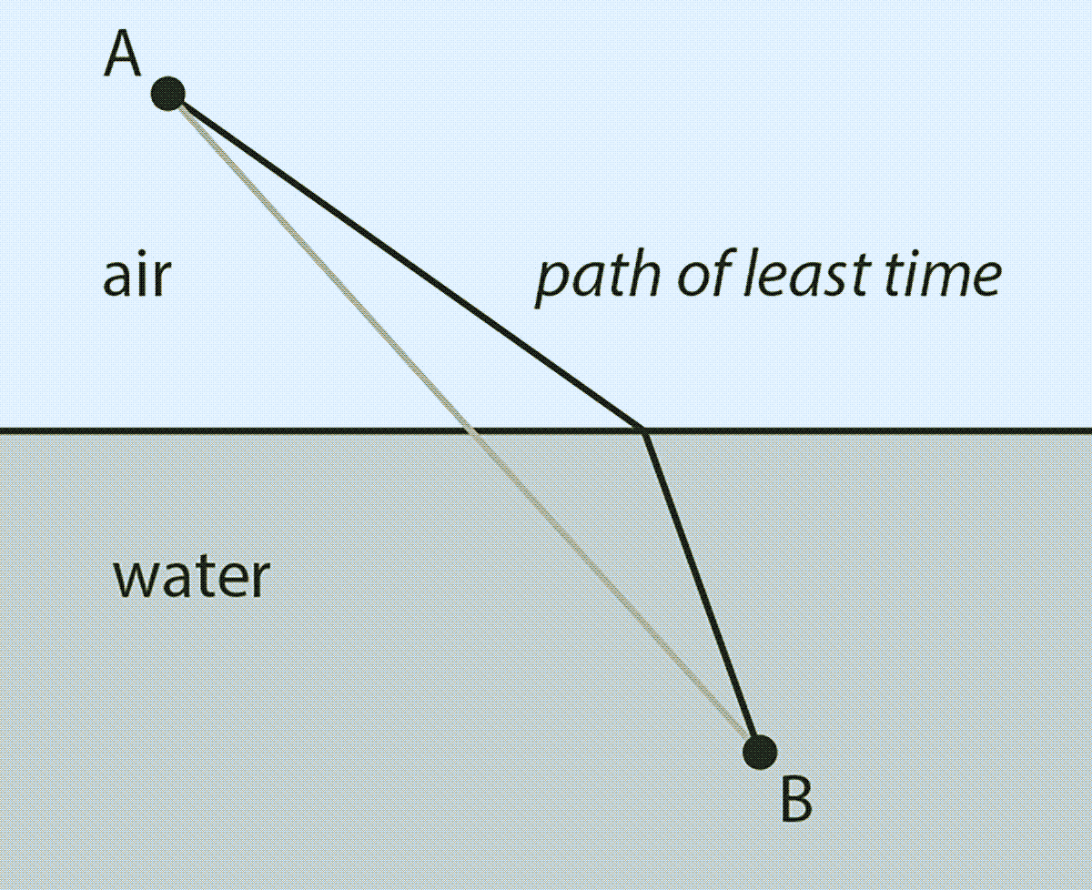
while the movie mostly focuses on linguistics, the novella also delves more into the physics side of things by referencing Fermat’s Principle of Least Time to explain how the Heptapods experience reality.
the principle can be (very simply) explained by using the example of light ‘bending’ when it passes from air to water: in classical physics we view it causally, the light hits the boundary and alters its path. But under variational calculus, light actually takes the fastest possible path from point A to point B: this principle of least time describes the light’s behavior not by what caused it in the past, but by its purpose in the future (!!).
highly recommend this article[3] for a more detailed explanation.
Behind the Scenes
Color Grading
Villeneuve once described the film’s mood as akin to “a dreary Tuesday morning bus ride”[2] (he gets it!!).
The Original Soundtrack
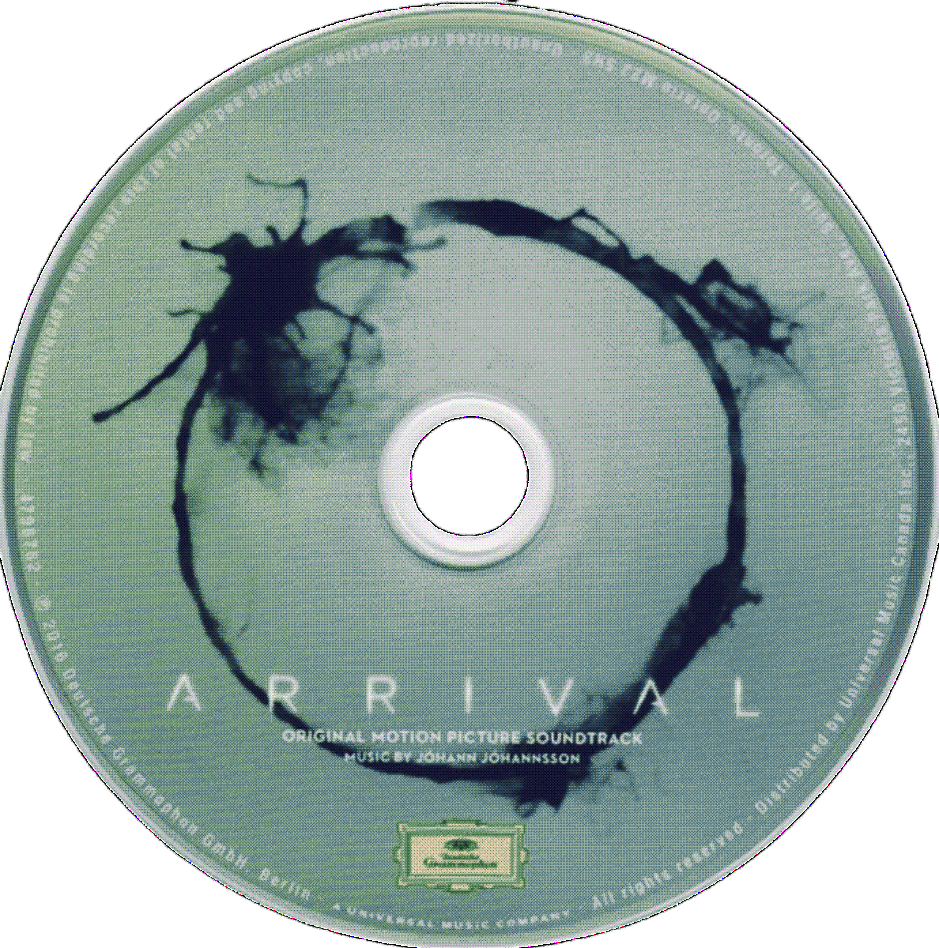
Jóhannsson prominently used tape loops in his score to reflect the circular motifs found in Arrival.[wiki/Arrival_ost]
References
- [1] Coon, J. (2020). “The linguistics of Arrival: Heptapods, field linguistics, and Universal Grammar”. Punske, J.; Sanders, N; Fountain, A.V. (eds), Language Invention in Linguistics Pedagogy. 1st ed. https://doi.org/10.1093/oso/9780198829874.003.0004.
- [2] Waquas, S. (2024). “Cinematography Analysis Of Arrival (In Depth)”. Color Culture. https://colorculture.org/cinematography-analysis-of-arrival-in-depth/.
- [3] Brophy, G.; Malley, S. (2023). “‘There is no Time’: Parsing the Future Perfect in Ted Chiang’s The Story of Your Life and Denis Villeneuve’s Arrival”. Literary/Film Quarterly, 51(1). hhttps://lfq.salisbury.edu/_issues/51_1.